10 Meme Templates Defining the 2026 Internet Vibe

Somewhere between doom-scrolling at 2 AM and refreshing social feeds during breaking global events, the internet made a cultural pivot: reality became content.
In 2026, news no longer follows a traditional media cycle. A major event breaks on X, gets clipped for TikTok within minutes, becomes a trending meme before dinner, and is repackaged into ironic commentary by midnight.
For Gen Z and younger digital audiences, memes are no longer just jokes. They function as:
Emotional regulation tools
Cultural commentary
Shared digital language
Social coping mechanisms
Community-driven storytelling
A diplomatic summit becomes a reaction image. Economic anxiety becomes an aesthetic. Workplace burnout becomes a meme template.
The internet has effectively transformed global reality into a giant participatory sitcom.
This report breaks down the 10 biggest meme formats driving the 2026 vibe shift.
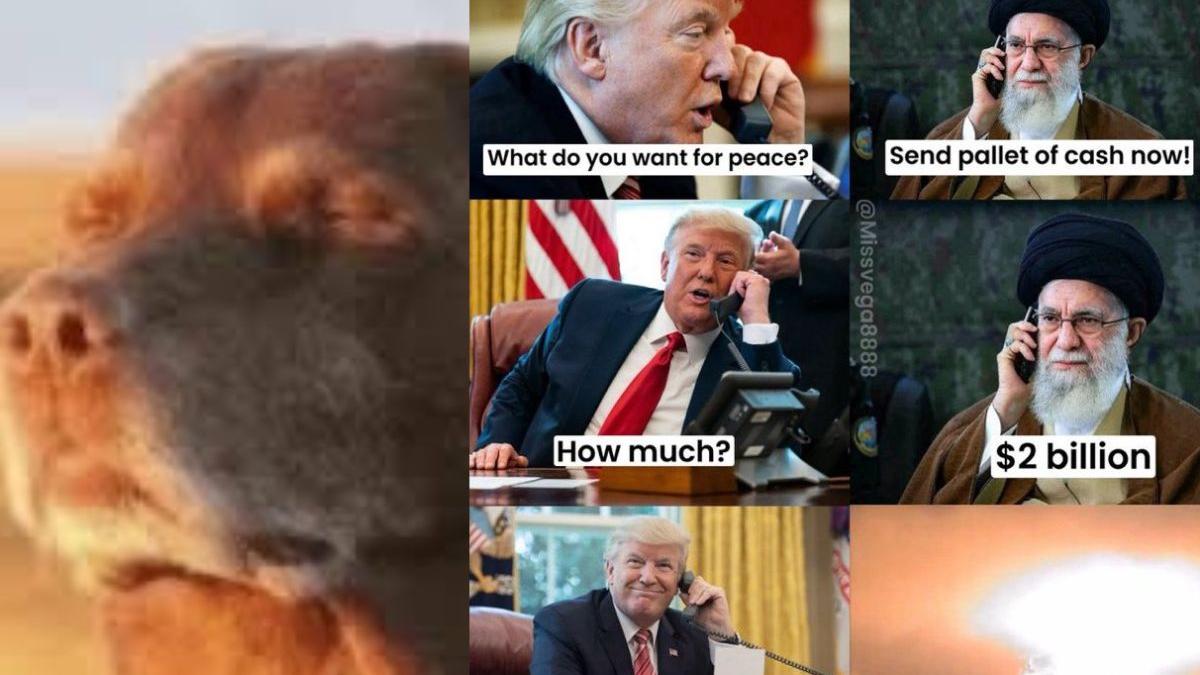
1. The “Middle-Man” Geopolitical Meme
Why It Went Viral
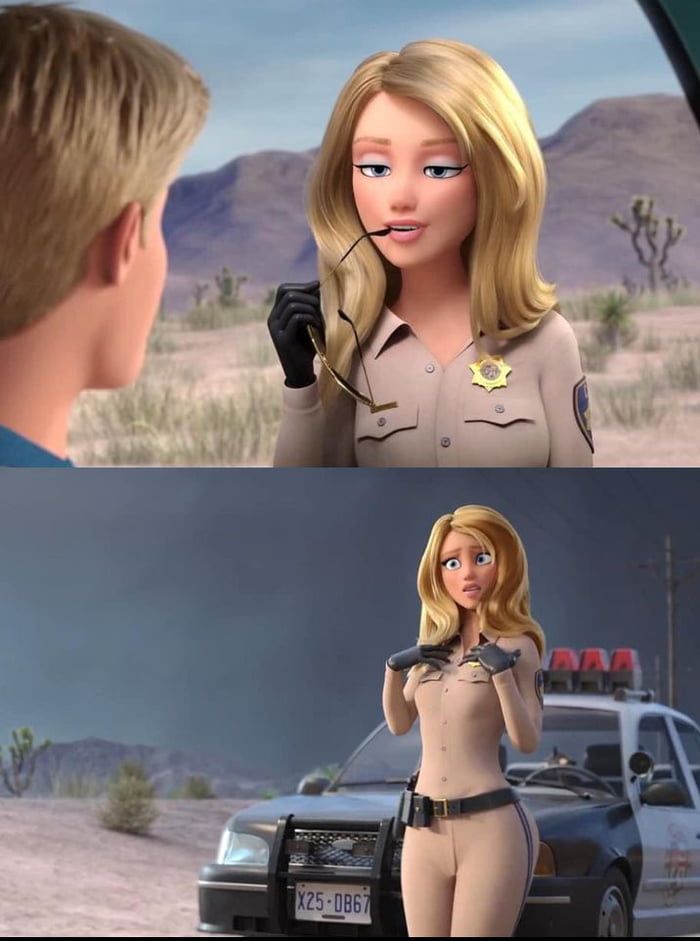
One of the most recognizable meme formats of 2026 is the exhausted mediator archetype.
The structure is simple:
Panel 1: One side escalating
Panel 2: Another side escalating
Panel 3: The unwilling middle person trying to de-escalate
Its appeal comes from universality. The template applies to:
Friend group conflict
Workplace politics
Family drama
Online moderation chaos
Relationship arguments
Cultural Meaning
This meme reflects a shared internet emotion: “I did not volunteer for this.”
What makes this trend notable is how seamlessly internet culture now merges serious current events with absurdist humor.
2. “Are We Next?” Academic Crisis Memes
The Student Burnout Template
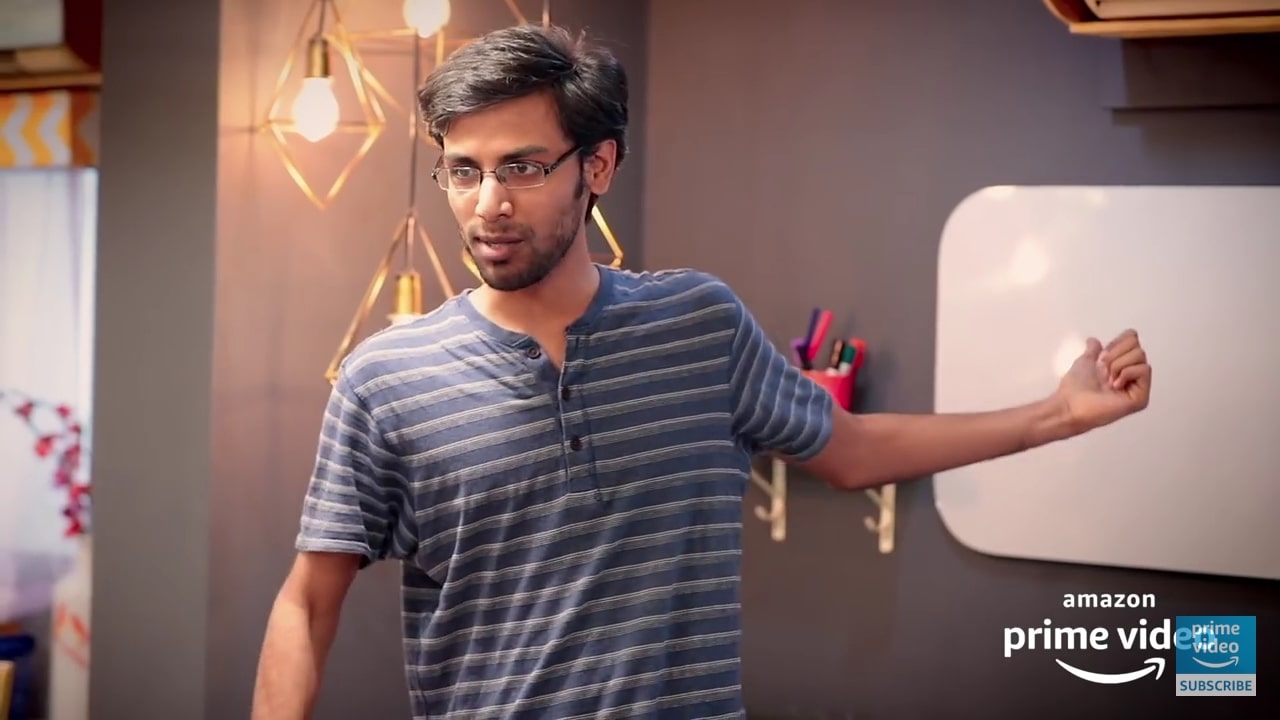
Academic burnout has produced one of the most relatable meme formats online.
Typical setup:
Global crisis imagery
A student staring at coursework portals
Caption questioning whether deadlines still apply
Example sentiment:
“Is this enough for an extension, or do I still need to submit the PDF?”
Why It Resonates
This meme format reflects a generation raised through:
Pandemic disruption
Economic uncertainty
Climate anxiety
Layoff cycles
AI-driven job insecurity
The contrast between global instability and routine academic expectations fuels its popularity.
3. “War-Core” Productivity Memes
The Rise of Ironic Motivational Edits
Military-style edits returned—but ironically.
Common elements include:
Tactical montage aesthetics
Shaky transitions
Dramatic soundtrack choices
Hyper-serious captions
Applied to mundane life tasks such as:
Opening spreadsheets
Answering emails
Going to the gym
Starting the workday
Why It Works
This trend satirizes hustle culture while simultaneously participating in it.
That contradiction is exactly what makes it culturally effective.
4. Delivery Hustle Memes and Capitalism Satire

The Modern Grind Template
Images of delivery workers navigating extreme circumstances became symbolic internet content.
Typical scenarios:
Traffic gridlock
Severe weather
Public unrest
Infrastructure disruption
The joke is simple: regardless of global conditions, someone is still working.
Cultural Interpretation
This meme captures modern labor anxiety and critiques hustle culture through humor.
5. The Anti-AI Meme Movement
Why Audiences Rejected Perfect Content
As AI-generated content flooded social platforms, internet users increasingly gravitated toward intentional imperfection.
Common anti-AI aesthetics:
Low-resolution visuals
Deliberately bad cropping
Misspelled captions
Compressed audio
Hand-drawn reactions
The Core Message
Authenticity now outperforms synthetic polish.
The uglier something appears, the more human it often feels.
6. Minimalist Emotional Collapse Memes

The Deadpan Internet Formula
A powerful meme structure emerged around emotional escalation followed by abrupt detachment.
Formula:
Chaotic setup
Escalating emotional context
Sudden cold conclusion
Its popularity comes from emotional familiarity.
This is digital burnout distilled into a meme format.
7. The Nihilistic Reaction Meme Era

Internet Emotional Fatigue in One Character
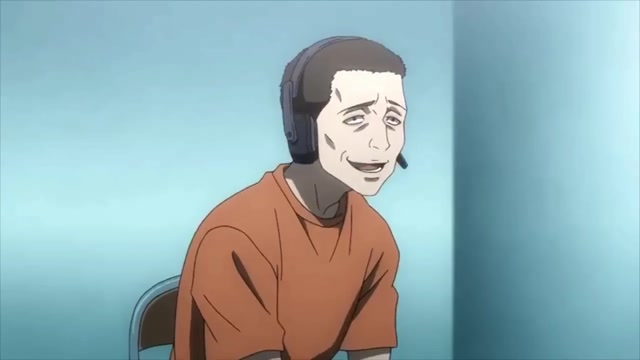
Reaction memes centered around indifference became defining internet behavior.
Key emotional themes:
Doom-scroll exhaustion
Emotional numbness
Information overload
Ironic detachment
Why It Matters
People are no longer shocked by headlines. They are overstimulated.
This meme category reflects collective fatigue rather than apathy.
8. Color-Hunting Aesthetic Trends

Slower, Softer Internet Culture
Not every viral trend in 2026 is chaotic.
A quieter visual movement emerged around documenting monochromatic city details:
Blue storefronts
Red signage
Yellow transit scenes
Purple skyline reflections
Why This Trend Has Longevity
Unlike reactive meme cycles, aesthetic storytelling offers emotional calm.
This trend emphasizes observation over performance.
9. Self-Aware Motivational Meme Content

Hope Meets Exhaustion
Inspirational video formats evolved into ironic confessionals.
Examples of this style include juxtaposing cinematic visuals with brutally honest captions.
This format works because it balances:
Optimism
Self-awareness
Humor
Burnout realism
This may be one of the clearest expressions of Gen Z internet communication.
10. The “World Stop” Cinematic Meme Format
Main Character Internet Energy
This trend relies on dramatic freeze-frame editing.
Common elements:
Motion freeze at beat drop
VHS glitch overlays
Cinematic reveal transitions
Nostalgic editing aesthetics
Why It Performs Well
It taps into the universal desire for significance in ordinary routines.
Even mundane moments become performative stories.
Why Meme Culture Matters in 2026
Memes are no longer disposable internet jokes.
They serve measurable social functions:
Emotional Coping
Humor reduces anxiety during uncertainty.
Shared Identity Formation
Meme participation creates belonging.
Cultural Commentary
Internet humor increasingly interprets current events faster than traditional media.
Information Compression
Complex emotional experiences become instantly understandable visual shorthand.
Overproduced Content Is Losing Relevance
Digital audiences increasingly favor:
Texture
Imperfection
Humor
Fast cultural awareness
Native platform aesthetics
Speed Matters More Than Polish
Meme cycles now peak rapidly.
Content relevance can disappear within days.
Authenticity Wins
Audiences detect artificial engagement strategies quickly.
Human imperfection has become a trust signal.
Frequently Asked Questions
Why are memes so important in internet culture?
Memes function as cultural shorthand, emotional coping tools, and rapid communication systems across digital communities.
Why does Gen Z use humor during crises?
Humor helps process uncertainty, emotional overload, and social instability in a format that feels participatory rather than isolating.
What meme trends are shaping 2026?
Key trends include geopolitical humor, AI backlash memes, burnout satire, aesthetic micro-content, and cinematic reaction formats.
Final Thoughts
2026 internet culture feels strange because the broader world feels strange.
The distinction between serious and funny content has largely collapsed.
Politics, anxiety, aesthetics, irony, and digital performance now coexist in the same scroll.
That fusion is exactly what defines this era of internet culture.
And until the next algorithmic mood shift arrives, meme culture remains one of the internet’s most revealing forms of collective expression.