History of Popular Internet Memes (Part 1)
It’s almost impossible to imagine the internet without memes.
Whether it’s a reaction image in a group chat, a TikTok sound everyone suddenly starts using, or a random meme format that takes over your timeline overnight memes have become the internet’s shared language.
For Gen Z especially, memes aren’t just jokes. They’re how we communicate emotions, comment on current events, and even process our collective chaos online.
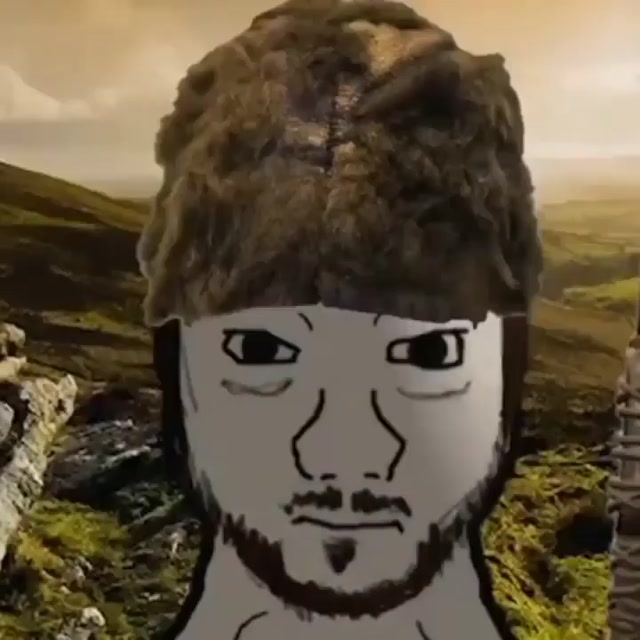
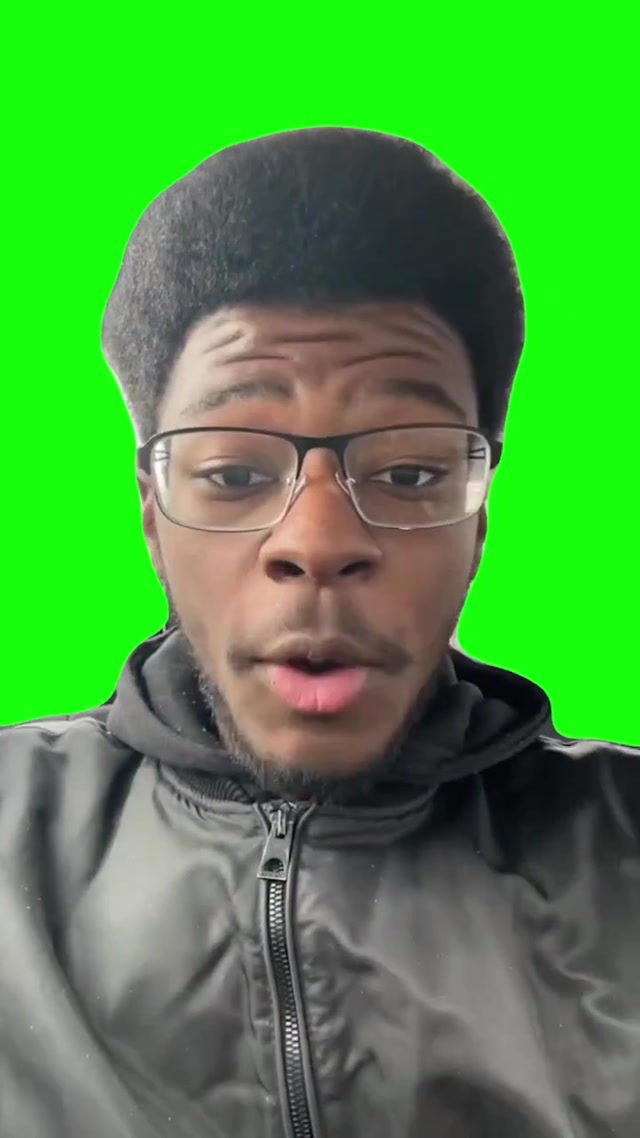
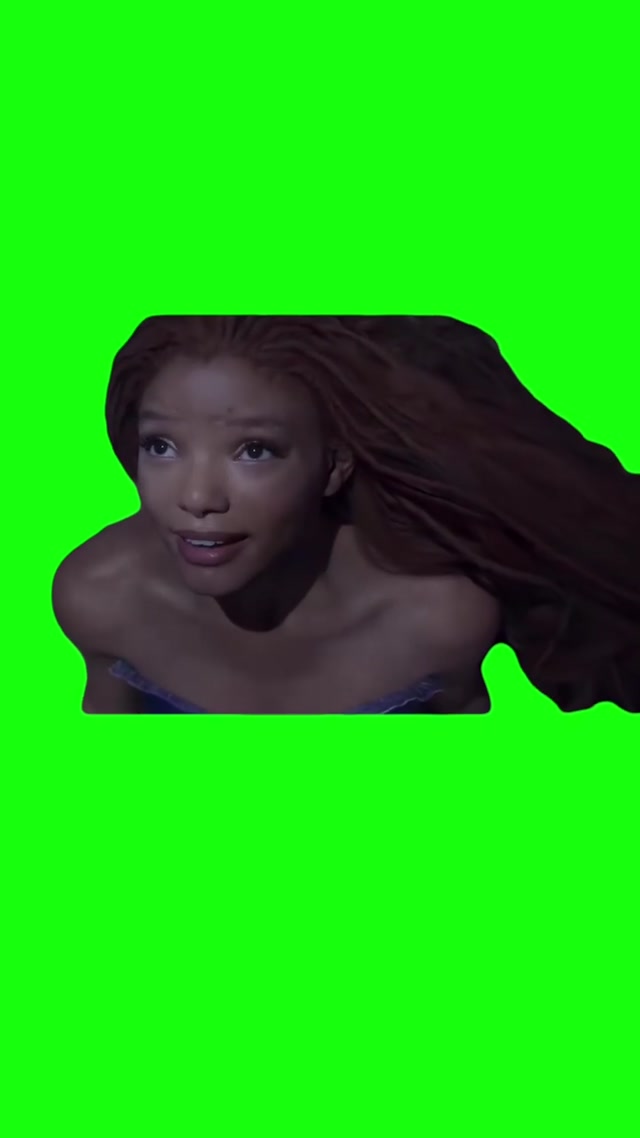
Instead of saying “I’m tired,” someone posts a tired meme like below:
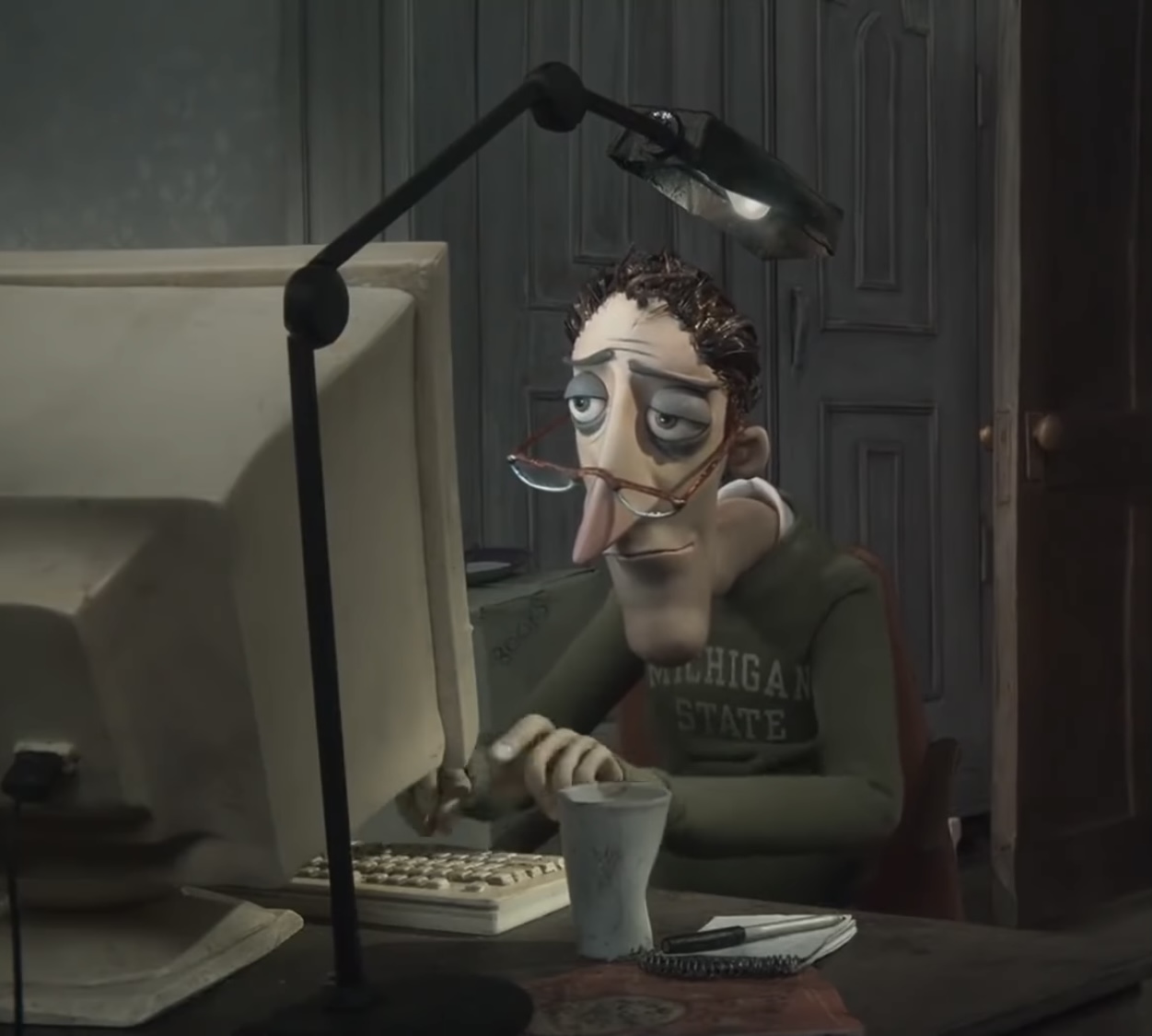
Instead of writing a full opinion, someone shares a SpongeBob image with text.
That’s the power of meme culture.
The history of popular internet memes goes back decades; long before social media feeds, viral trends, and “brainrot” humor. To understand where internet humor is heading, we need to understand where it started.
Let’s rewind.
Richard Dawkins and the Birth of the Word “Meme“
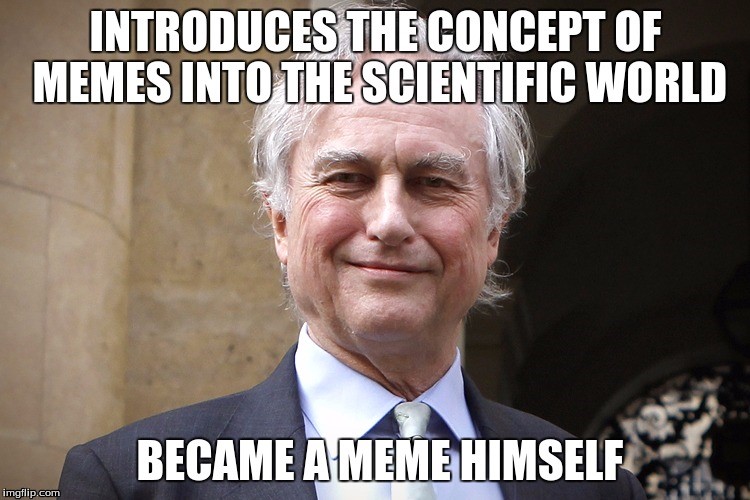
The word meme actually existed before the internet.
It was introduced by biologist Richard Dawkins in his 1976 book The Selfish Gene. He used it to describe how ideas spread through culture similar to how genes spread through biology.
A meme, in Dawkins’ definition, could be anything people imitate:
Catchphrases
Fashion trends
Songs
Behaviors
The internet simply gave memes a faster way to evolve.
For reference, visit this wikipedia page
How the Internet Changed Everything
Online, the word “meme” shifted from academic theory to digital humor.
Suddenly memes became:
Image macros with captions
Viral videos
Remixable joke formats
Shared internet references
Today, memes are no longer just content.
They’re culture.
Meme Culture Before the Modern Internet
Before TikTok algorithms and Reddit threads, internet humor lived in smaller digital communities.
Viral Culture Before the Web Took Over
People shared jokes through:
Chain emails
ASCII art
Early chatrooms
Message boards
Humor spread slower but it still spread.
The Platforms That Shaped Meme Behavior
Some of the earliest meme ecosystems included:
Usenet → discussion forums and niche communities
Something Awful → chaotic humor and early Photoshop jokes
4chan → anonymous posting and meme experimentation
These communities introduced ideas that still define memes today:
Remix culture
Anonymous humor
Inside jokes
Viral repetition
The First Generation of Internet Memes
Before reaction images and viral TikTok sounds, these were the pioneers.
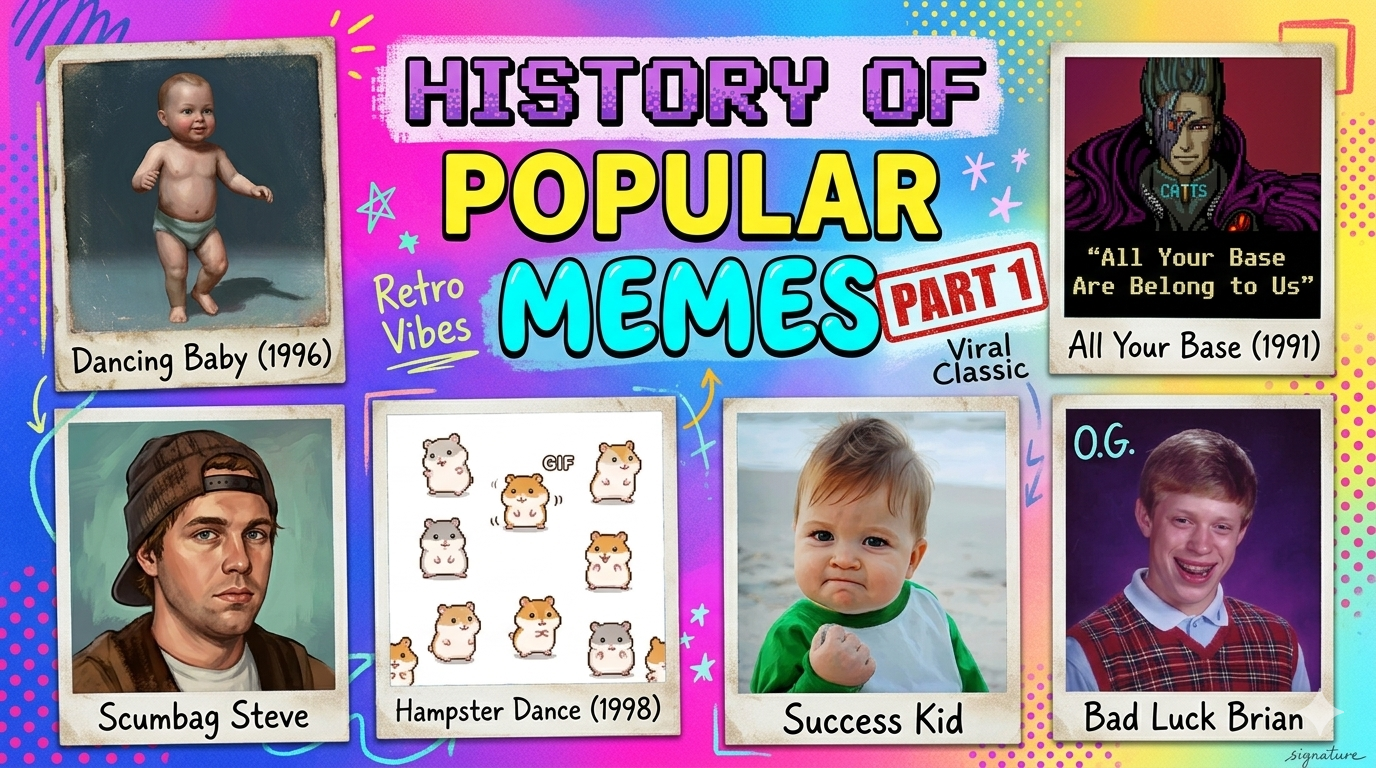
1. Dancing Baby (1996)
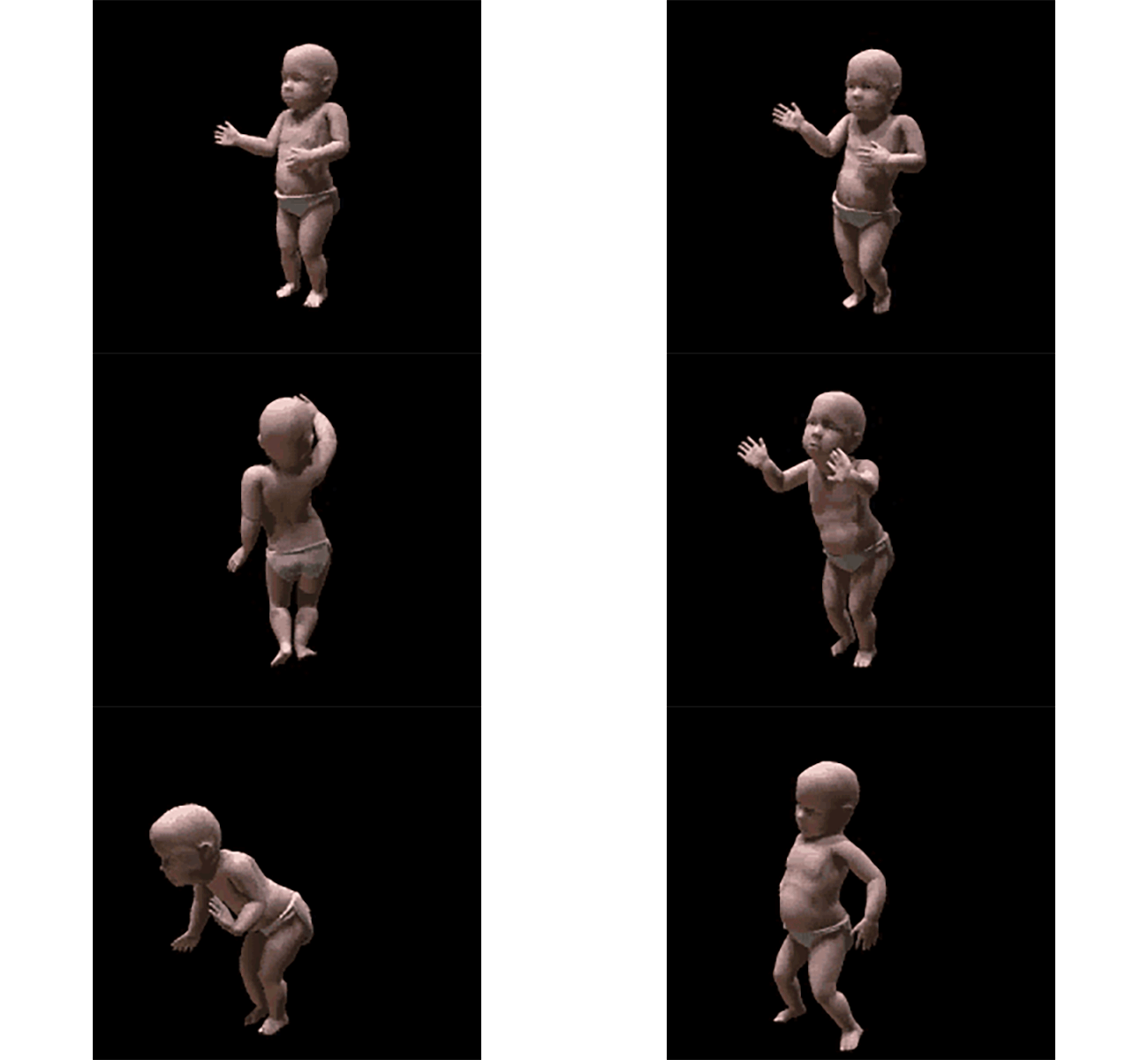
Often called the first mainstream internet meme, Dancing Baby was a short CGI animation of a dancing infant.
By today’s standards? Weird.
Back then? Revolutionary.
It spread through email chains and became one of the first examples of something going “viral” online.
Its success proved one thing:
People will absolutely share something simply because it feels strange.
That hasn’t changed.
2. Hampster Dance (1998)

A webpage full of dancing hamsters. Repeating music. Endless scrolling.
Peak internet chaos.
Hampster Dance showed how absurdity itself could be entertaining—a concept Gen Z understands deeply.
In many ways, it was early brainrot humor.
3. All Your Base Are Belong to Us
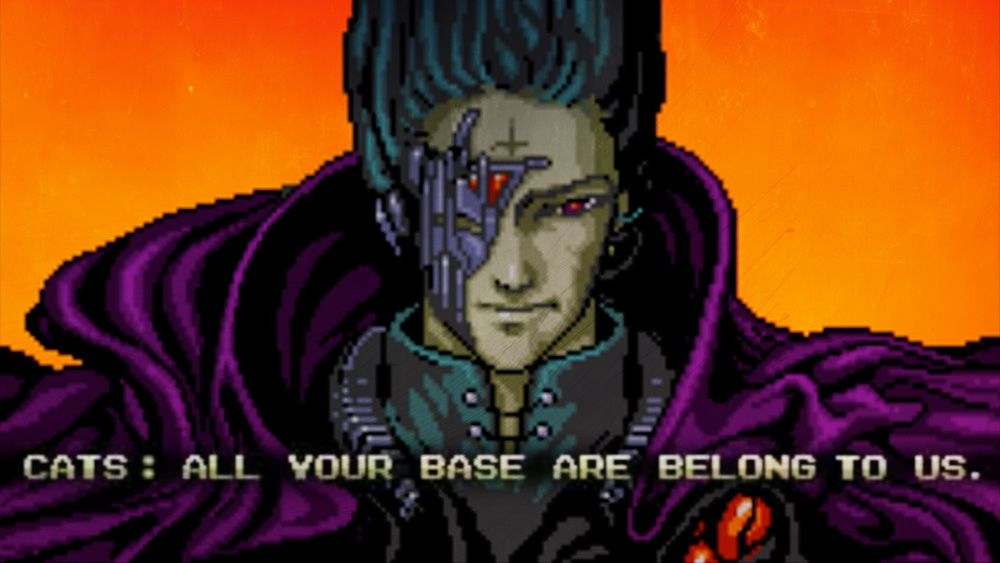
This meme came from a badly translated Japanese video game.
The broken English phrase became iconic and was remixed endlessly across forums.
This was one of the first major remix memes, taking a phrase and inserting it everywhere.
Today, that same formula powers thousands of meme trends.
4. Peanut Butter Jelly Time
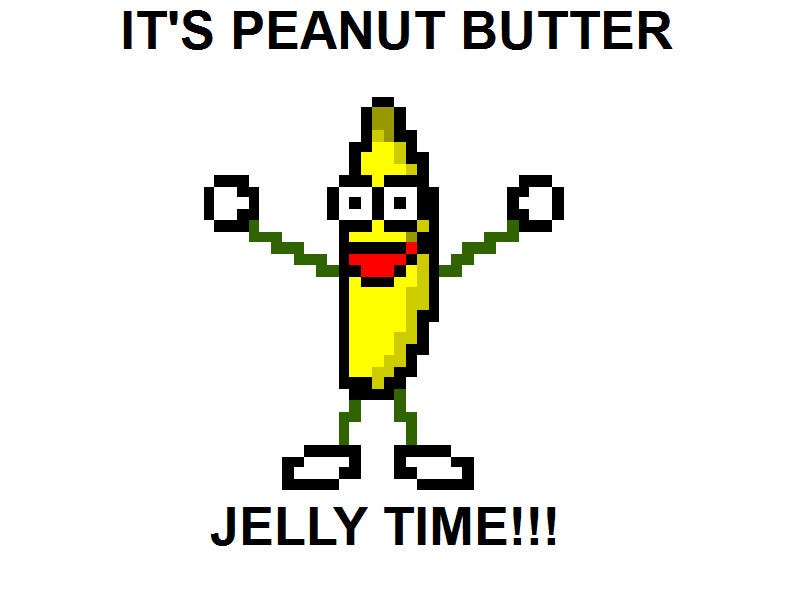
A dancing banana. A catchy song. Infinite replay value.
This Flash animation became one of the earliest examples of meme + music crossover.
Sound-driven memes were already forming long before TikTok existed.
Rise of Image Macro Memes (2005–2012)
This era changed everything.
Memes became standardized.
Instead of random viral moments, users now had meme templates they could reuse endlessly.
LOLcats and “I Can Has Cheezburger?”
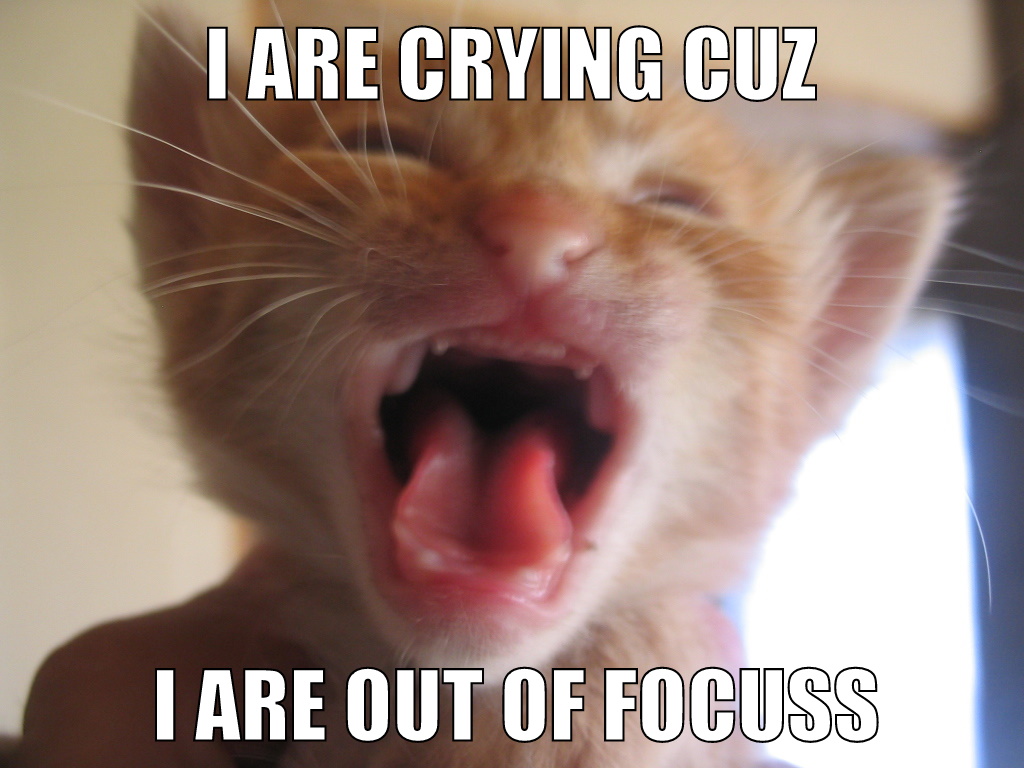
Cat photos + intentionally broken English = internet gold.
Examples like:
“I Can Has Cheezburger?”
It turned out LOLcats into one of the first meme empires.
It also led to dedicated meme websites and communities.
For many people, this was their first exposure to meme culture.
Advice Animals
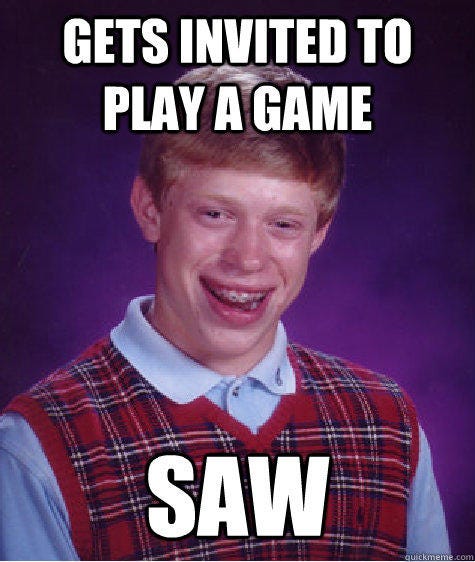
Then came the era of identity-based humor.
Popular examples included:
Success Kid
Bad Luck Brian
Scumbag Steve
Each image became a reusable emotional template.
Instead of telling stories, users inserted themselves into them.
That personalization made memes more relatable and more shareable.
Rage Comics

Before TikTok storytelling, there were Rage Comics.
Simple panels. Minimal art. Maximum emotional chaos.
Iconic faces included:
These comics were internet storytelling at scale.
Short. Relatable. Easy to remix.
Social Media Changed Everything
Then social platforms accelerated meme evolution.
Platforms like:
Reddit
Tumblr
Twitter (X)
Instagram
TikTok
It transformed memes from internet subculture into mainstream communication.
The biggest changes:
Faster meme cycles
Remix culture at massive scale
Viral challenges
Video memes replacing static images
Audio becoming meme material
A meme can now appear, peak, and disappear within days.
But nostalgia can bring it back years later.
That’s the meme lifecycle.
Why Certain Memes Go Viral
Not every joke becomes a meme.
The ones that do usually have five things:
1. Relatability
People need to instantly “get it.”
2. Simplicity
Fast jokes win.
3. Emotional Reaction
Humor, cringe, surprise, confusion.
4. Remix Potential
Can people adapt it?
5. Timing
Current events + algorithms = explosive reach.
Most memes follow a predictable path:
Creation → Remix → Peak Virality → Decline → Nostalgia Revival
And then the cycle repeats.
Preserving Meme History
Internet culture moves fast.
Without archives, memes disappear.
That’s why sites like these matter so much:
They document origins, variations, and cultural impact.
Memes may seem temporary but they’re digital history.
Conclusion
From Dancing Baby to TikTok brainrot, memes have changed from niche internet jokes into a global language.
They shape how we communicate, laugh, and connect online.
And this is only Part 1.
In Part 2, we’ll explore:
Modern reaction memes
AI-generated memes
TikTok meme sounds
Absurdist humor
Gen Z meme language
Meme monetization
Because meme culture never stops evolving.
Want to create your own meme?
Browse free blank meme templates and start building on Templates.meme.