How Memes Became Gen Z’s Favorite Way to Communicate Online
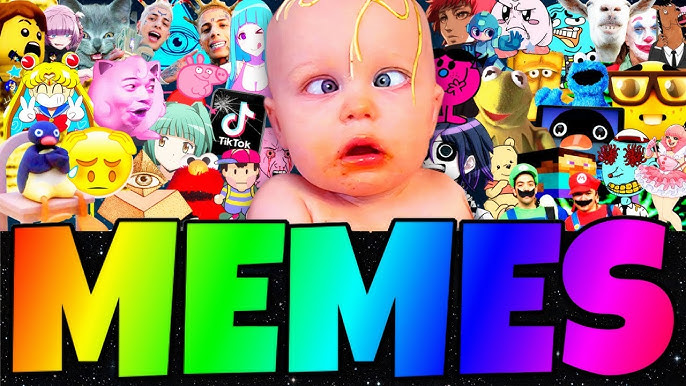
If someone from 2010 suddenly opened TikTok today, they would probably think the internet had developed its own secret language.communicates
Someone posts a blurry reaction image.
Another person replies with a screenshot from a cartoon.
A third person comments, “negative aura.”
Thousands of people understand exactly what's happening.
No explanation needed.
To older generations, this might seem confusing. To Gen Z, it's completely normal.
In fact, memes have become one of the most important communication tools online. They are no longer just funny pictures shared for entertainment. Today, memes help people express emotions, react to situations, build communities, and even discuss serious topics.
For Gen Z, memes aren't simply part of internet culture.
They're a language.
The Generation That Speaks in Memes
Every generation develops its own way of communicating.
Previous generations used slang, references, and cultural shorthand to identify people who shared similar experiences.
Gen Z does the same thing. The difference is that their language is largely visual.
Instead of writing long explanations, people often send:
Reaction images
Meme screenshots
TikTok videos
GIFs
Viral sound clips
A single meme can communicate frustration, excitement, embarrassment, sarcasm, or disbelief in seconds.
And because most people online understand the context behind popular memes, communication becomes faster and more entertaining.
Memes Are the Internet's Universal Language
One reason memes have become so powerful is their ability to cross traditional communication barriers.
A meme doesn't always require perfect grammar.
It doesn't always require lengthy explanations.
And sometimes it doesn't even require words.
Think about reaction memes.
A single side-eye image can instantly communicate:
Suspicion
Judgment
Disappointment
Confusion
Everyone understands the emotion immediately.
That's why memes work so well online.
They create a shared understanding between people who may live in different countries, speak different languages, and come from completely different backgrounds.
In many ways, memes have become the closest thing the internet has to a universal language.
Why Gen Z Prefers Memes Over Traditional Communication
Let's be honest.
Sometimes typing a full paragraph feels exhausting.
Especially when a meme can communicate the same thing in three seconds.
Imagine your friend sends a message about failing an exam.
You could write:
"I'm sorry to hear that. That sounds frustrating and disappointing."
Or you could send a perfectly timed reaction meme.
The meme often feels more natural.
That's because memes communicate emotion without making interactions feel overly serious.
They allow people to acknowledge situations while keeping conversations light and relatable.
For a generation raised on fast-moving digital platforms, this style of communication feels intuitive.
It's quick.
It's visual.
And most importantly, it's fun.
The Psychology Behind Meme Communication
The popularity of memes isn't just about humor.
There's actual psychology behind why they work so well.
Humans naturally connect through shared experiences.
Memes often capture experiences that millions of people recognize instantly.
Examples include:
School stress
Procrastination
Relationship problems
Social anxiety
Workplace frustrations
When someone shares a meme about staying up all night before an exam, other students immediately relate.
The meme becomes a form of social validation.
It says:
"You're not the only one experiencing this."
That feeling of shared understanding helps create stronger online communities.
Reaction Memes Became Digital Body Language
In face-to-face conversations, people rely on body language.
Facial expressions.
Eye contact.
Tone of voice.
Online communication doesn't naturally include those signals.
Reaction memes help fill that gap.
Today, reaction images function as digital body language.
Popular examples include:
Side-eye reactions
Shocked reaction images
Judgment stares
Disappointed faces
Silent approval memes
Instead of typing how they feel, users simply select the reaction that best matches their emotion.
Modern internet culture has become incredibly efficient at visual communication.
Sometimes a single image says more than an entire paragraph.
Internet Slang and Memes Work Together
Another reason Gen Z communicates through memes is because memes and internet slang constantly reinforce each other.
Words like:
Aura
Delulu
NPC
Cooked
Mid
Canon Event
didn't spread through dictionaries.
They spread through memes.
People encountered these terms in videos, reaction posts, screenshots, and social media jokes.
As the memes spread, the vocabulary spread with them.
Eventually, these words became part of everyday conversations.
Today, someone can say:
"That was a canon event."
And millions of internet users instantly understand what they mean.
That's the power of meme culture.
It creates and distributes language at an incredible speed.
How TikTok Changed Meme Communication Forever
No discussion about modern meme culture is complete without talking about TikTok.
TikTok completely transformed how memes spread online.
In the past, memes were often static images.
Today, they're frequently:
Videos
Audio clips
Reaction edits
Trends
Remixes
A single TikTok sound can inspire thousands of unique jokes.
One viral audio might be used to explain:
Dating problems
Work stress
School life
Family drama
Even though the situations are different, the same audio creates a shared cultural reference.
TikTok accelerated meme culture by making it easier than ever to remix, adapt, and distribute content.
The result is an internet culture that evolves almost daily.
Memes as a Coping Mechanism
One of the most fascinating aspects of Gen Z meme culture is how often humor is used to process difficult experiences.
Many popular memes focus on:
Academic pressure
Burnout
Financial struggles
Mental exhaustion
Uncertainty about the future
Instead of discussing these topics directly, people often turn them into jokes.
At first glance, this might seem strange.
But humor has always been a coping mechanism.
Memes provide a way to acknowledge difficult realities without becoming overwhelmed by them.
Laughing at a stressful situation doesn't make the problem disappear.
But it can make the situation feel more manageable.
This is one reason relatable memes continue to dominate social media platforms.
Are Memes Replacing Traditional Communication?
Not entirely.
People still have serious conversations.
They still send texts, emails, and phone calls.
But memes are increasingly becoming an important layer of communication.
They help people:
Express emotions
Build relationships
Create shared experiences
Establish group identity
At the same time, memes can sometimes create communication gaps.
Someone who isn't familiar with internet culture may completely miss the joke.
That's why memes often function as a kind of social filter.
Understanding certain references signals membership within specific online communities.
The Future of Meme Communication
As technology evolves, meme communication will continue evolving too.
We're already seeing:
AI-generated memes
AI voiceovers
Personalized content feeds
Interactive meme formats
Hyper-specific niche communities
Future memes may become even more customized and personalized.
But the core purpose will likely remain the same.
People use memes because they simplify communication.
They make conversations more engaging.
And they help people connect through shared experiences.
Final Thoughts
Memes started as funny internet images.
Today, they are something much bigger.
They have become emotional shorthand, social currency, digital body language, and cultural documentation all at once.
For Gen Z, memes aren't just entertainment.
They're a communication system built for the internet age.
They help people express emotions, build communities, share experiences, and navigate an increasingly digital world.
And as online culture continues to evolve, memes will likely remain one of the most powerful ways people connect with each other.
Because sometimes, the perfect reaction image says exactly what words can't.
If you're looking to create your own meme, explore free blank meme templates and creator resources on Templates.meme and join the conversation that's shaping modern internet culture.
Grab the blanks

Anime Girl Sipping Mug at Computer

Real-Life Spider-Man Three-Way Point

Multi-Way Spider-Man Pointing
“My favorite song is coming on the radio, turn it up!” Green Screen
“Stop Acting Like You Know the Way Ahead. Like You Know the Rules.” Green Screen

Running Arnold
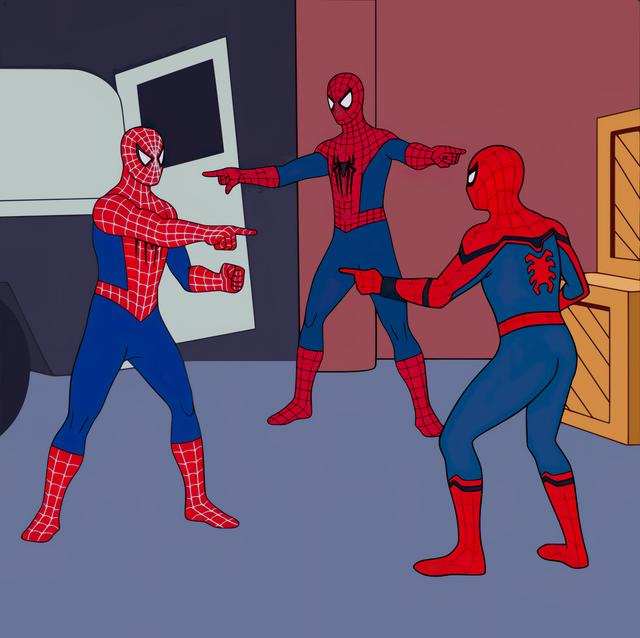
Three Spider-Men Pointing